Deception in e-commerce settings
The
internet is an evolving medium that is continually offering new functionalities
which is creating an increase in its commercial use. This increase in the
commercial use of the internet is driving consumers more into online shopping
and traditional “Brick and Mortar” retailers are experiencing the showrooming
effect more than ever before.
Unfortunately,
with the increase in commercialisation of the internet comes an increase in the
number of fraudulent practices, misleading advertisement and information
misrepresentation, and common deceptive practices in e-commerce settings such
as; exaggeration of product benefits and characteristics, advertisement of non-existent
products and outright deception under false pretence are all variations of
deceptive styles in the traditional shopping context.
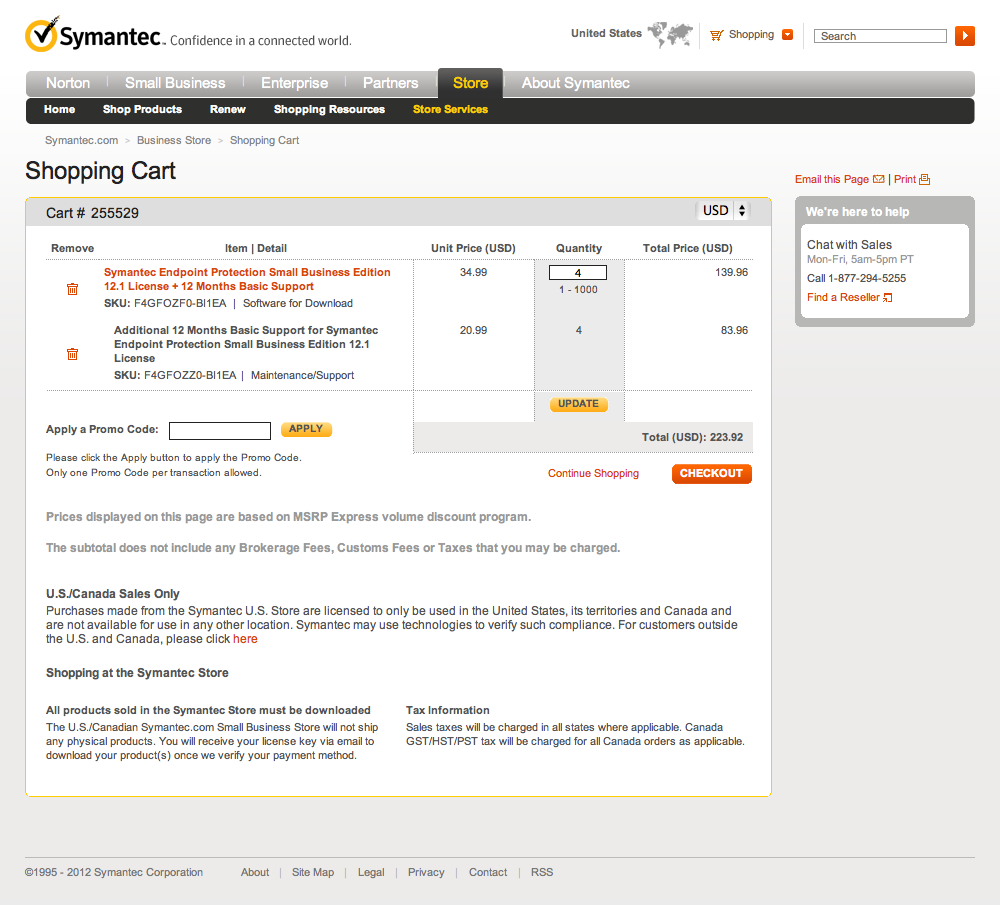
Perpetrating online deception is intensified by a number of reasons which include;
·
The internet being inherently a
representation environment where consumers base their decision on products on
cognitive representation of reality, which is further exacerbated by the
unfamiliar and impersonal nature of the web and the lack of opportunity for
face-to-face interaction to detect deception.
·
The general low entry and set up cost introduced
by the internet allows deceptive online retailers to set up store front that looks
as genuine as a legitimate store.
·
The identities of parties involved in
communications and transactions are very difficult to verify when they are done
via the internet.
Though
online deceptive practices affect consumers’ attitudes and behaviour, the
internet still generates millions in revenue for organizations that understands
how to effectively communicate their products and services to the right
audience.
Reference:
Roman
Sergio, (2010). Relational Consequences
of Perceived Deception in Online Shopping: The Moderating Roles of Type of
Product, Consumer’s Attitude Toward the Internet and Consumer’s Demographics,
Journal of Business Ethics 95:373–391
http://baymard.com/checkout-usability/benchmark/top-100/34-symantec sourced on 20/03/14

No comments:
Post a Comment